


jijl7 | Exploring the World of Strategy Games: A Gamers' Odyssey
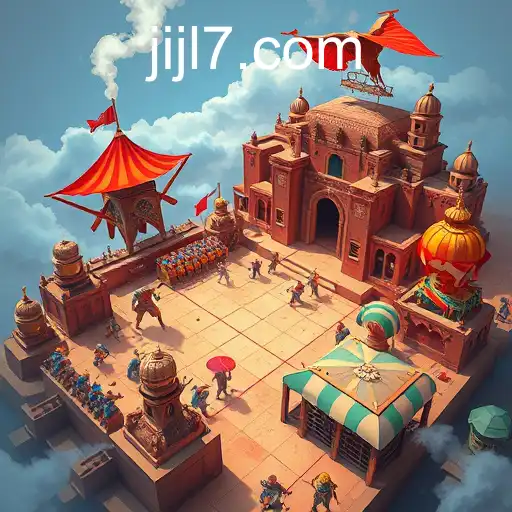
Strategy games have long held a revered place in the world of gaming, captivating players with their intricate mechanics and thought-provoking gameplay. Unlike fast-paced action games that rely heavily on reflexes, strategy games demand a different kind of prowess—mental acuity, foresight, and an ability to anticipate opponents’ moves. Whether in the form of board games or digital experiences, these games challenge players to think several steps ahead to achieve victory.
The beauty of strategy games lies in their diversity. From classic board games like Chess and Go to modern-day digital experiences like Sid Meier's Civilization series and StarCraft, the genre is as varied as it is demanding. Chess, with its centuries-old history, exemplifies the purest form of strategic thinking, where players must plan several moves ahead and adapt to the evolving tactics of their opponents. Go, on the other hand, with its deceptively simple rules, provides a deep well of strategic opportunities and challenges that have captivated cultures across the globe for thousands of years.
In the digital realm, Civilization has introduced millions to the joys of leading a nation from the dawn of time into the space age. Here, players manage resources, engage in diplomacy, and ultimately aim to outwit and outplay their geopolitical rivals. Similarly, real-time strategy games (RTS) like StarCraft require players to think on their feet, managing units and resources efficiently while simultaneously outmaneuvering their opponents in real time.
One key attraction of strategy games is the mental workout they provide. These games inherently encourage problem-solving, critical thinking, and the development of long-term planning skills. It’s often said that playing strategy games is akin to a mental gymnasium, where players exercise their brainpower, refining their decision-making abilities and cognitive flexibility.
The community aspect also adds a rich layer to the strategy gaming experience. Online forums and esports tournaments for games such as Dota 2 and League of Legends create bustling platforms for fans to share tips, strategies, and rub elbows with the best in the field. Competitive gameplay is celebrated, with strategy tournaments drawing massive audiences and offering substantial rewards to the top tacticians.
Whether you’re a seasoned tactician or a newcomer eager to explore, the realm of strategy games offers endless opportunities for mental exploration and growth. As technology advances, the genre continues to evolve, promising ever more immersive and complex experiences for future strategists.
In conclusion, strategy games are more than just a pastime; they are a testament to human ingenuity and the pursuit of intellectual challenge. Their enduring popularity underscores a universal appeal that transcends cultures and generations, inviting players from all walks of life to embark on a cerebral journey of discovery and mastery. Aspiring gamers need only look at the vast array of strategy titles available today to find a world teeming with competition, creativity, and above all, strategic mastery.
